The Jack Marron: A Bold and Stylish Display Font
First Impressions: The Visual Personality of The Jack Marron
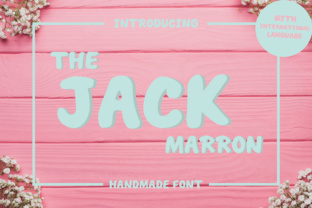
When I first laid eyes on The Jack Marron, it immediately struck me as a font with a strong, modern presence. The letters have a robust, almost architectural feel, with clean lines and a slight vintage touch that gives it a unique character. This typeface exudes a sense of premium quality, making it perfect for projects that need to stand out and make a statement.
A Versatile Font for Creative Projects
The Jack Marron is a display font that naturally fits into a variety of creative contexts. Its bold and stylish appearance makes it an excellent choice for logo design and brand identity. The font's visual personality is both contemporary and timeless, which means it can be used in everything from high-end packaging design to editorial design.
- Logo Design: The Jack Marron's strong, clear lines make it ideal for creating memorable and impactful logos.
- Brand Identity: Use it to establish a consistent and professional brand image across all marketing materials.
- Packaging Design: Its premium look enhances the perceived value of products, making it perfect for luxury or artisanal goods.
Real-World Performance: Where The Jack Marron Shines
In real-life work situations, The Jack Marron performs exceptionally well. It’s particularly effective in large headlines, short phrases, and brand marks where its distinctive style can be fully appreciated. For posters, flyers, and invitations, it adds a touch of sophistication and elegance. In website headers and blog graphics, it helps to create a visually engaging and professional look.
- Social Media Graphics: Use it for eye-catching posts that grab attention and increase engagement.
- Digital Ads: Its bold and clear appearance makes it ideal for ad copy that needs to be seen and remembered.
- Printable Products: Perfect for creating high-quality, printable designs like planners, calendars, and greeting cards.
Use with Caution: When to Be Careful with The Jack Marron
While The Jack Marron is a versatile and stylish font, it should be used carefully in certain contexts. Due to its bold and decorative nature, it may not be the best choice for long-form text or body copy, where readability and legibility are crucial. Instead, use it for large headlines, short phrases, and decorative accents where its visual impact can be fully leveraged.
- Large Headlines: Ideal for making a strong, immediate impression.
- Short Phrases: Use it for taglines, quotes, and other brief, impactful messages.
- Decorative Accents: Add a touch of elegance to your designs with this font as a decorative element.
Practical Designer Notes: Testing and Using The Jack Marron
Before incorporating The Jack Marron into any project, it’s essential to test it thoroughly. Start by viewing it in black and white to see how it holds up without color. Check its readability at smaller sizes to ensure it remains legible. Try it on real mockups to see how it looks in different contexts, such as on packaging, in editorial layouts, and on web pages.
- Test in Black and White: See if the font maintains its clarity and impact without color.
- Check Small-Size Readability: Ensure it remains legible when used in smaller text sizes.
- Try on Real Mockups: Test it in various design scenarios to see how it integrates with other elements.
Font Pairing and Licensing: Enhancing Your Designs
When using The Jack Marron, consider how it pairs with other fonts. It works well with serif fonts for a classic, elegant look, or with sans serif fonts for a more modern, clean aesthetic. You can also pair it with manual script fonts or written fonts to add a personal, handwritten touch to your designs.
Lastly, always confirm the commercial licensing before using The Jack Marron in client or business projects. This ensures you have the right to use the font in all necessary contexts, maintaining the professionalism and legality of your work.
Overall, The Jack Marron is a powerful and versatile display font that can elevate a wide range of design projects. With careful consideration and testing, it can become a valuable asset in your design toolkit, helping to create memorable and impactful visuals.